
Zahle – The Church of St. Rafqa

Saint Rafka, Zahlé, Lebanon

Other Details

كنيسة القديسة رفقا

Zahlé Saydet En-Najat

Zahle

Bekaa

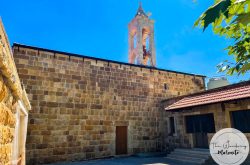
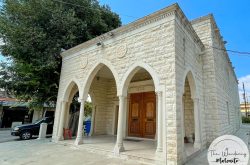
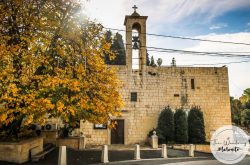
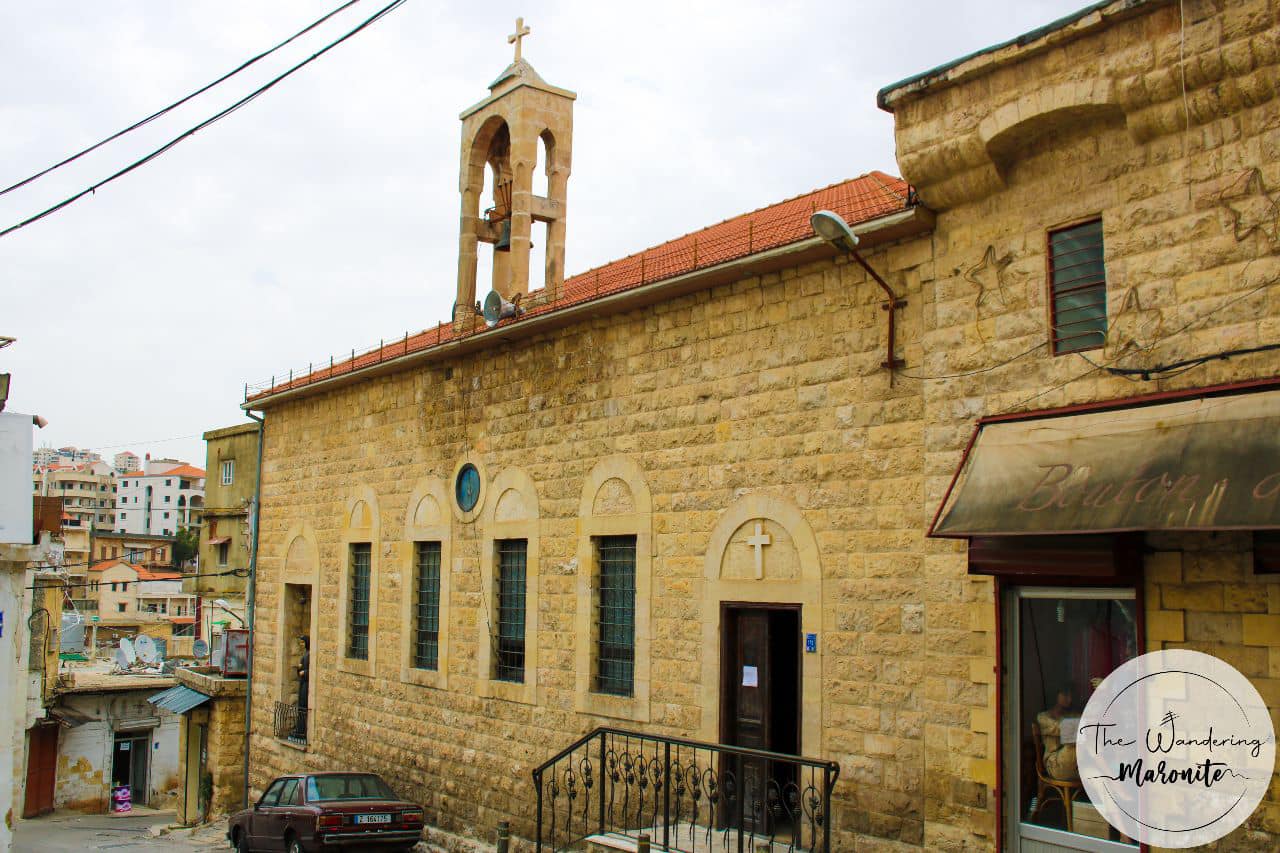
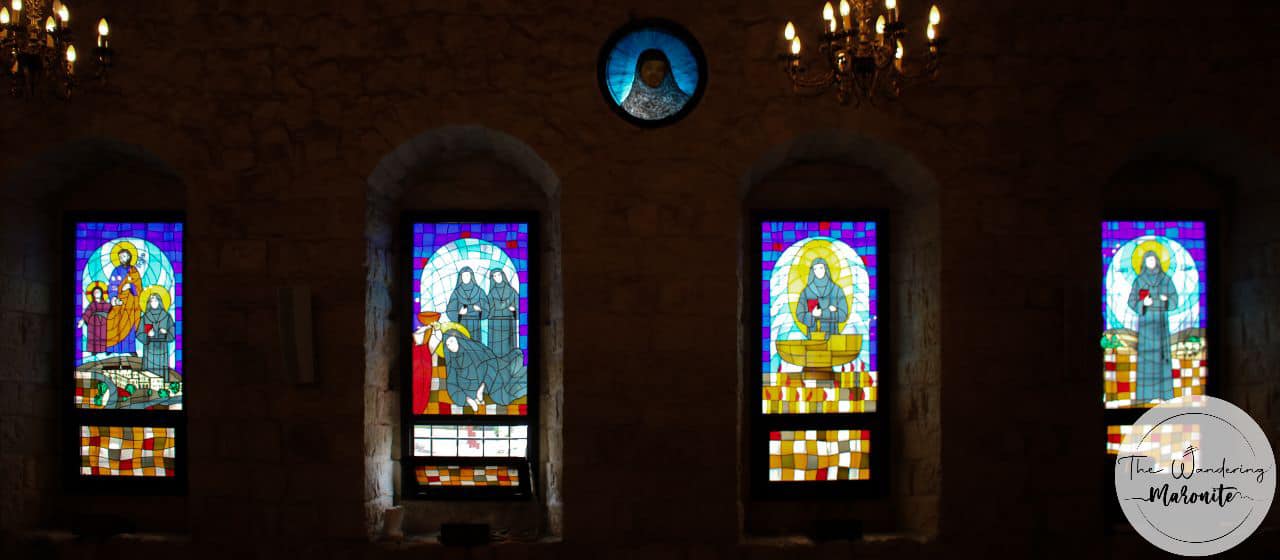
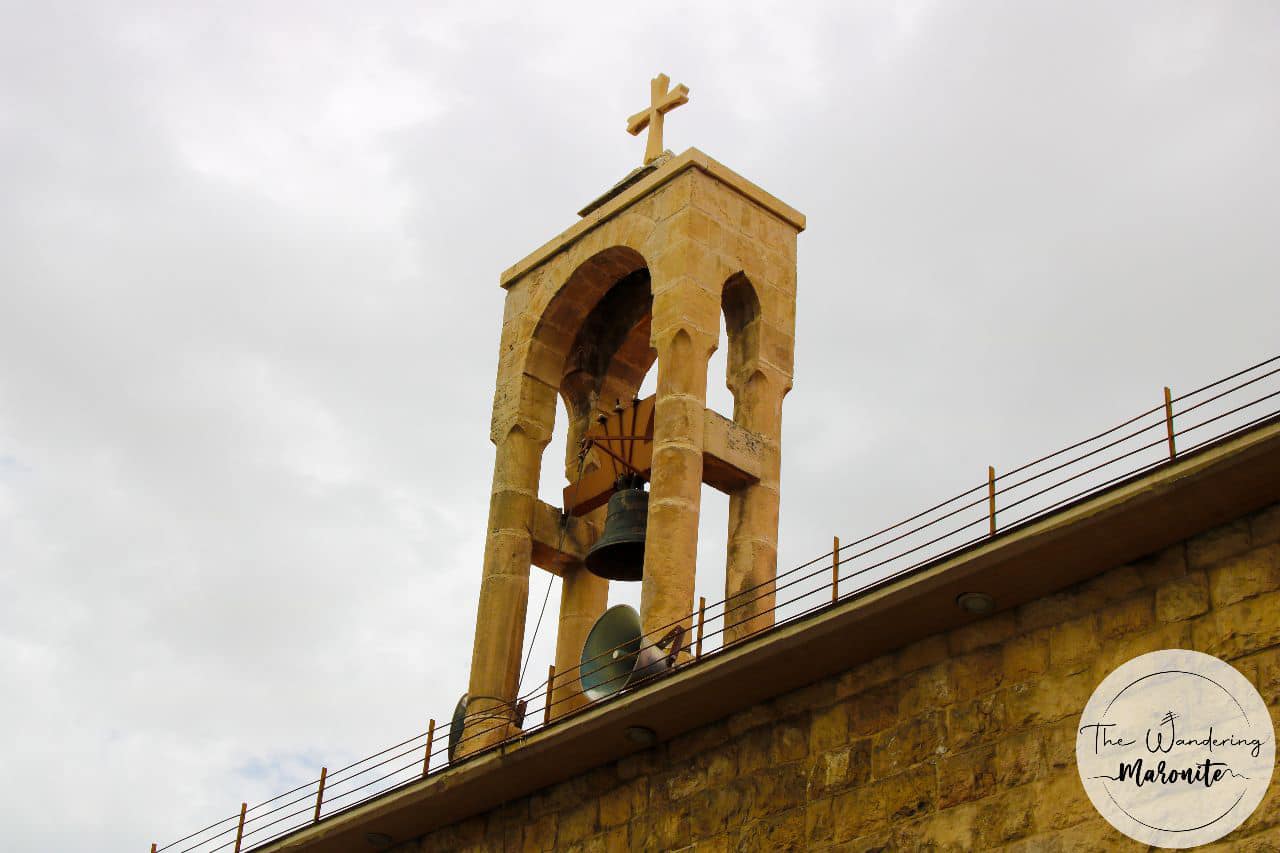
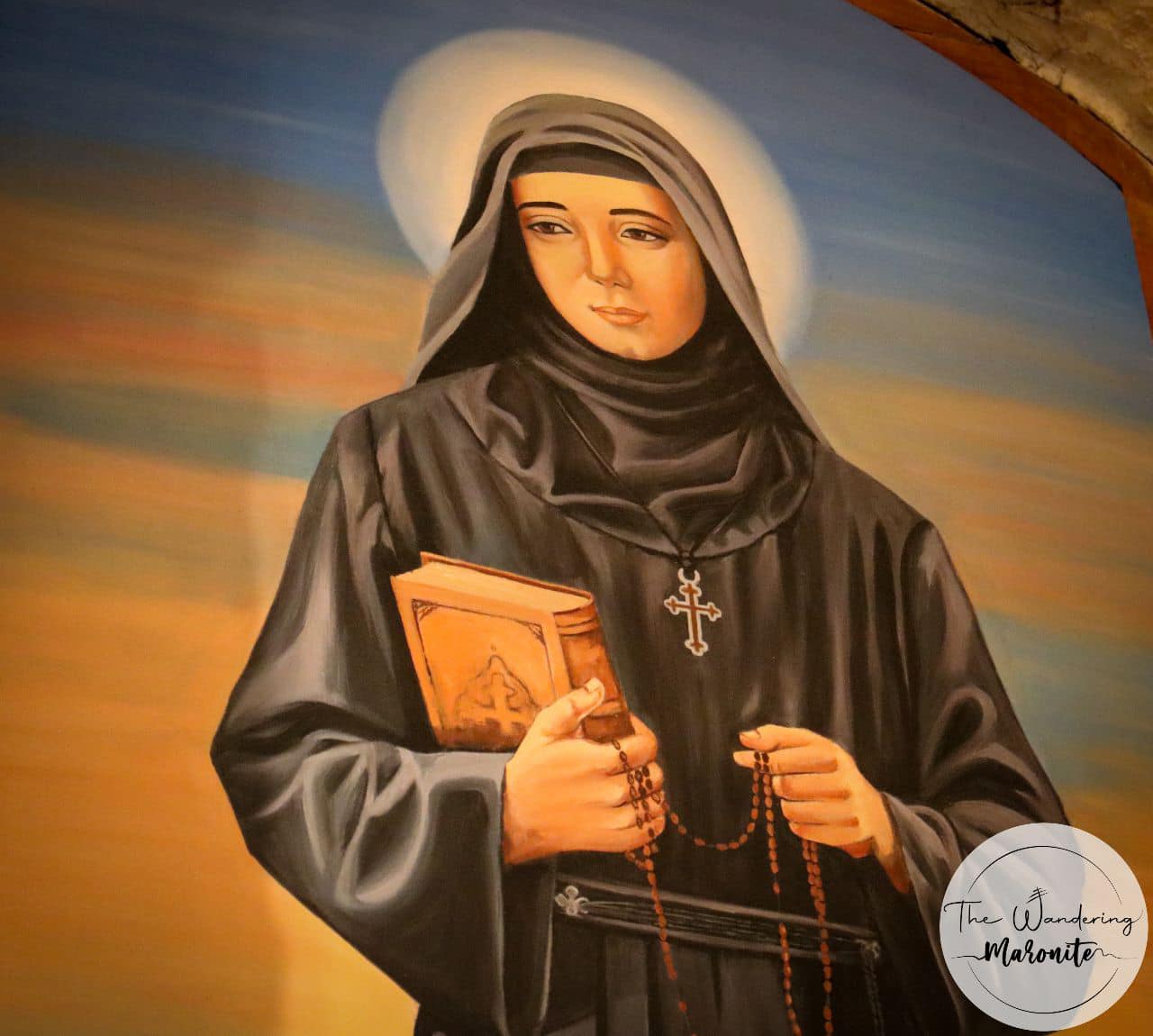
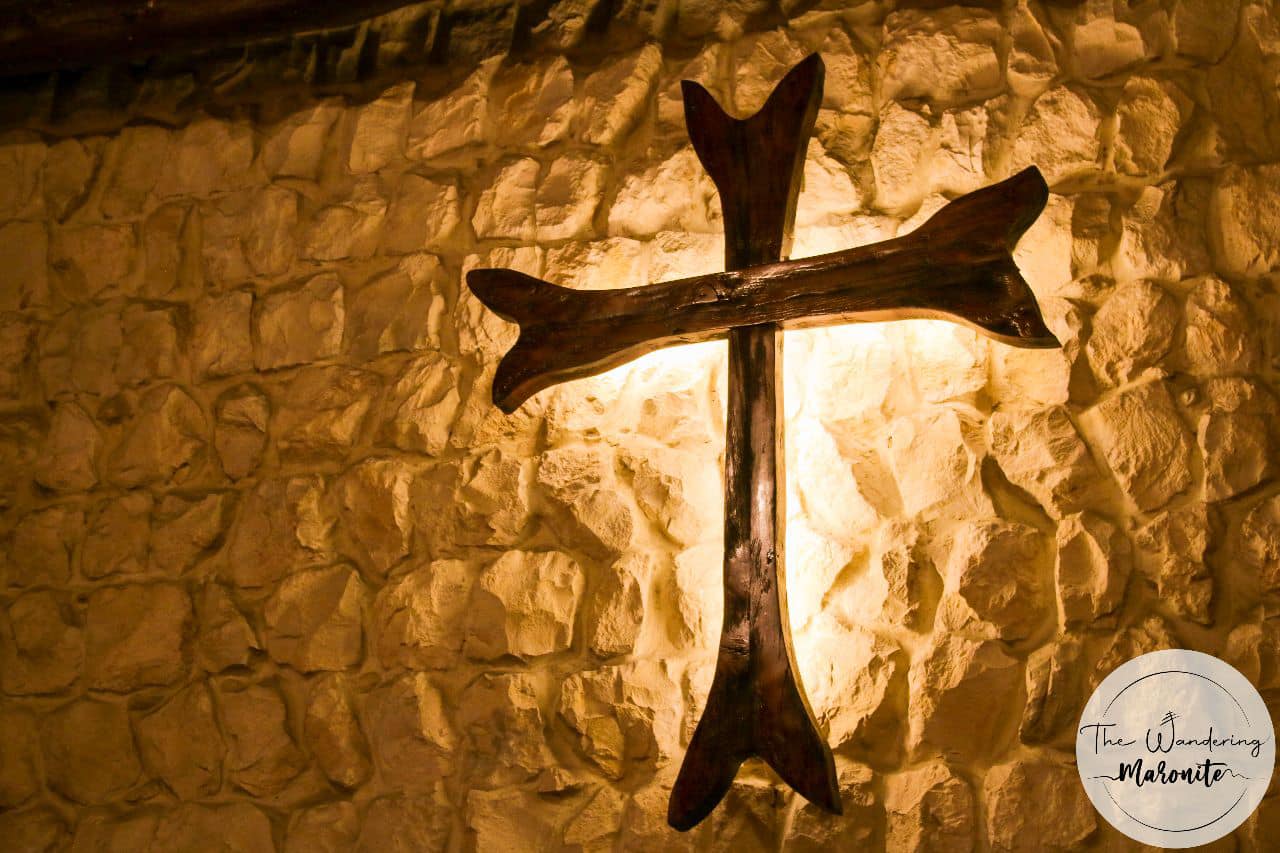
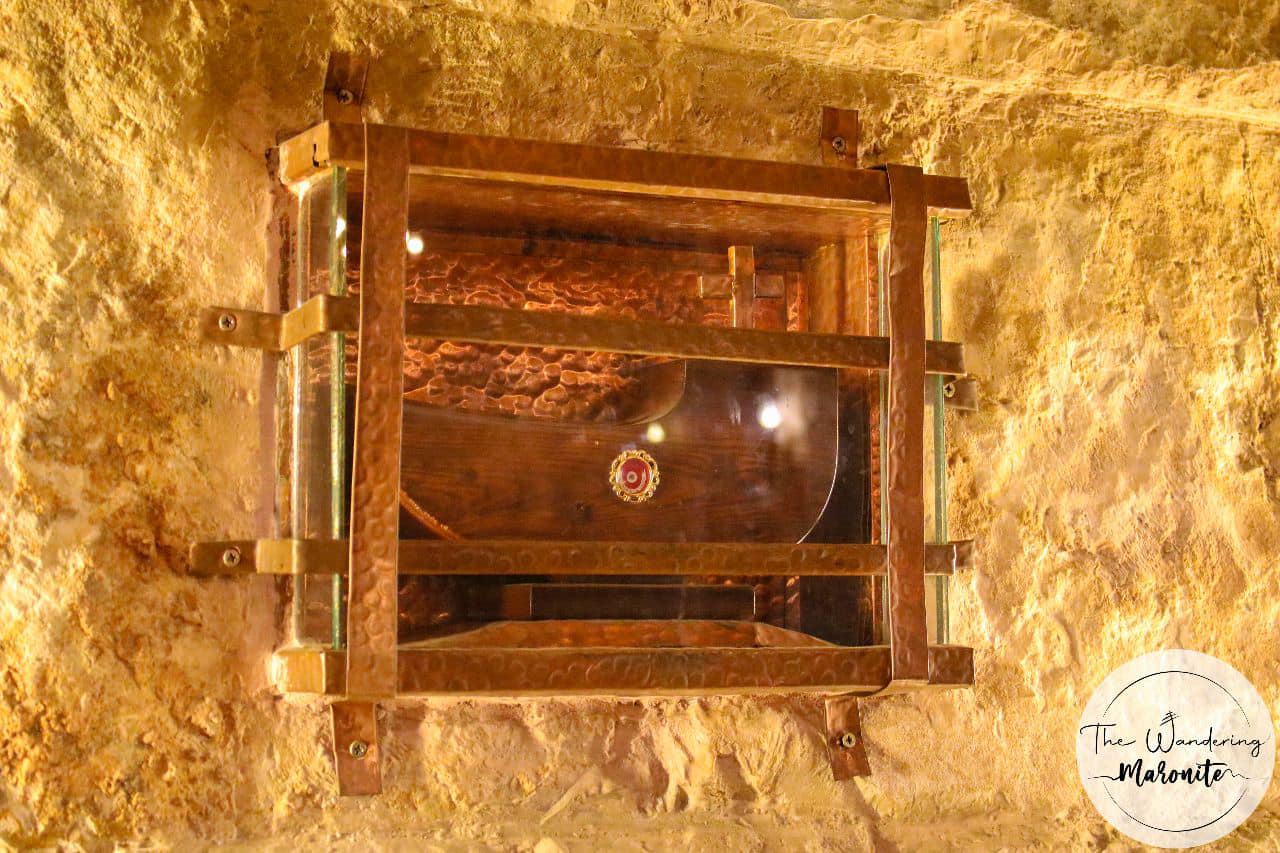
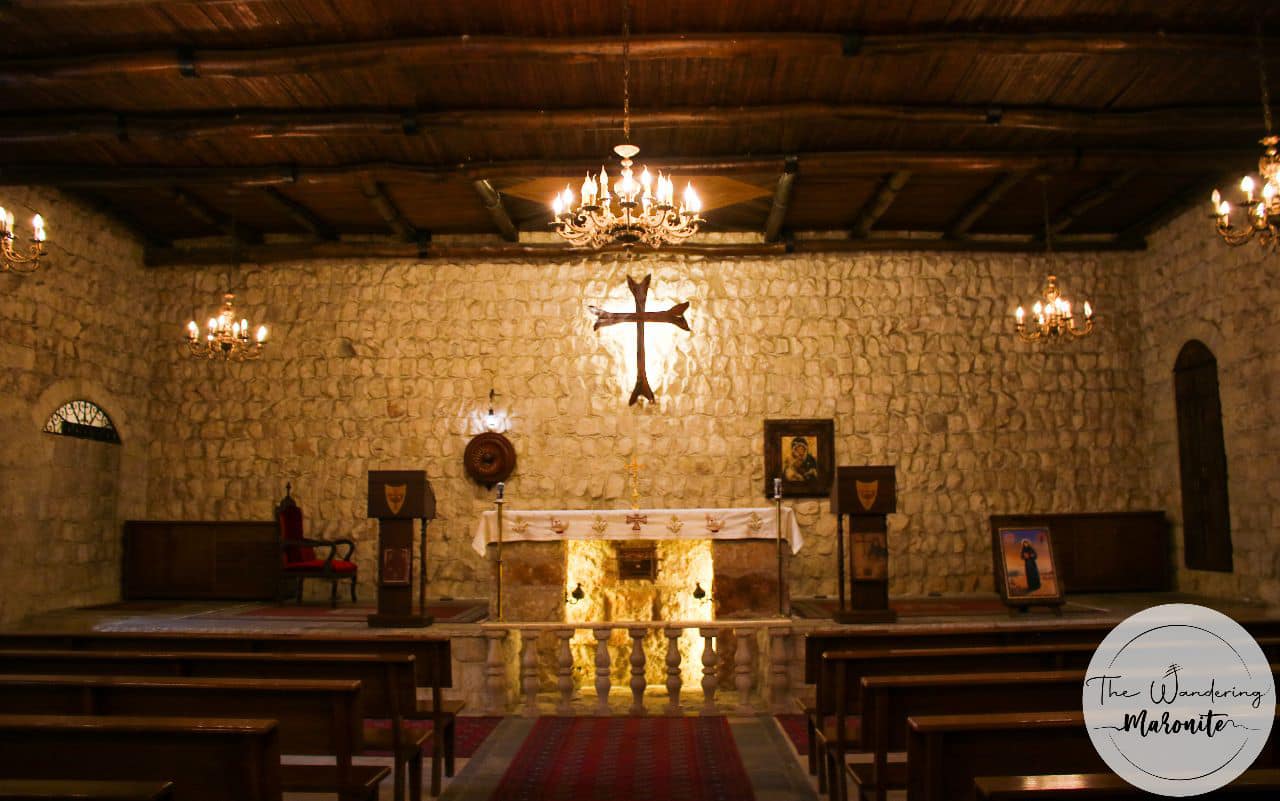
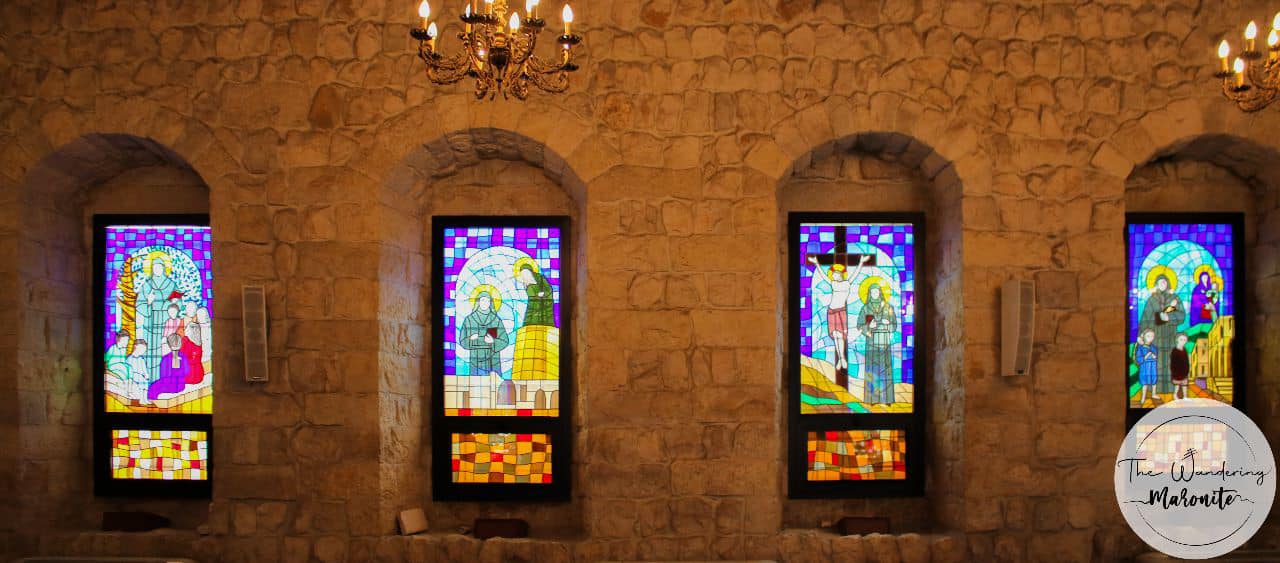
كنيسة القديسة رفقا - زحلة في أواخر القرن التاسع عشر، بدأت الإرسالية الأميركية الإنجيلية مهمّتها في مدينة زحلة. قامت هذه البعثة ببناء كنيسة بتصميم يشبه بيوت المدينة في تلك الحقبة الزمنية. في بداية القرن الحادي والعشرين، بعدما بدأ عدد المؤمنين بالانخفاض، تم شراء الكنيسة من قبل دير مار أنطونيوس الكبير التابع للرهبنة اللبنانية المارونية، وتحويلها إلى كنيسة مخصصة للقديسة رفقا. The Church of St. Rafqa - Zahle In the last decades of the 19th century, an American evangelical mission was established in Zahle. This mission built a church in the local architectural style of houses during that time. In the beginning of the 21st century, after the number of evangelicals began to dwindle, the church was bought by the Monastery of St. Anthony the Great of the Lebanese Maronite Order, who converted it into a chapel dedicated to St. Rafqa. Iglesia de Santa Rafka - Zahle En las últimas décadas del siglo XIX se estableció en Zahle una misión evangélica estadounidense. Esta misión construyó una iglesia según el estilo arquitectónico local de las casas de la época. A principios del siglo XXI, después de que el número de evangélicos empezara a disminuir, la iglesia fue comprada por el Monasterio de San Antonio el Grande de la Orden Libanesa Maronita, que la convirtió en una capilla dedicada a San Rafka.

Visited 7547 times, 8 Visits today

Reviews are disabled, but trackbacks and pingbacks are open.

Related Listings

Kfarhelda – Our lady of Kfarmalkoun, or Our lady of ruins

كنيسة سيدة كفرملكون الأثرية - كفرحلده, Kfar Helda, Lebanon

كنيسة سيّدة كفرملكون (سيّدة الخرايب)

Kfar Hilda

Batroun

North

كنيسة سيّدة كفرملكون (سيّدة الخرايب) - كفرحلدا
ترقى الكنيسة الى القرن الثالث عشر ، في أعالي بلدة كفرحلدا وكانت قد بنيت هذه الكنيسة بالطريقة البدائية التقليدية كما كان قائماً في القرون الوسطى، أما قبة الجرس فهي حديثة الصنع.
هذه الكنيسة كانت جزءاً من قرية كفرملكون الواردة في السجلات العثمانية. مع مرور الزمن هُجّرت القرية وبدأت الابنية بالتفكك والانهيار خاصة بعد حدوث زلزال كان قد ضرب المنطقة أدى الى خرابها فسُميت بسيّدة الخرايب. أما السواد الذي يغطي بعضاً من معالم الرسومات داخل جدران الكنيسة، فكان بسبب ان بعض الرعاة كانوا يرتادون المكان ويشعلون النار للتدفئة.
في حنية الكنيسة جدارية الشفاعة مع كتابة يسوع المسيح بالخط السرياني الملكي في الوسط.
على الجدار الشمالي رسماً لأسقف أصلع الرأس، هو القديس يوحنا الذهبي الفم. وعلى الجدار نفسه نقرأ اسم ضومطيوس باللغة اليونانية.
أما على الجدار الجنوبي بقايا مشهد الميلاد مع أربع ملائكة وراعٍ يعزف على الناي وبجانبه حملان.

Our lady of Kfarmalkoun, or Our lady of ruins - Kfarhelda
Dating back to the 13th century, and laying on the high hills of Kfarhelda, this church was built following the traditional medieval style.
This church is located in the old Kfarmalkoun village that is found in the Ottoman records. With time, the villagers had left their village and the buildings started to fall apart, especially after it was hit by an earthquake. Thus the name: Our Lady of the Ruins.
Some of the Church walls are covered with a black layer caused by the fires that the pastors lit when they were cold.
On the Church's apse, one can find the Deisis fresco, surrounded by the words Jesus Christ written in a royal syriac font.
On the northen wall, we can see the drawing of a bald bishop, St. John Chrysostom. On the same wall, we can find the words Domtius written in Greek.
On the sourhern wall, on can find the remains of a fresco depicting the Nativity scene with four angels and a pastor playing on the flute next to some sheep.

El Qattara Mayfouk – The Monastery of St Challita

دير القطارة, Qattarah, Lebanon

دير مار شليطا

Maad

Jbeil

Mount Lebanon

دير مار شليطا - القطّارة ميفوق
تَقَرَّر في مجمع الرهبانيَّة اللبنانيّة المارونيّة العام المنعقد في ١٦ تشرين الثاني ١٨٤٧، في عهد الأب العام عمَّانوئيل الأشقر، وبرضى البطريرك يوسف راجي الخازن، فَصل بعض أرزاق من دير سيِّدة ميفوق لإنشاء دير في محلَّة القطَّارة شرقيِّ ميفوق، على اسم القدِّيس شلِّيطا. سنة ١٨٥٠، بدء بناء الدّير وكان إتمام بناء الكنيسة سنة ١٨٦١، فَكَرَّسها البطريرك بولس مسعد. عُيِّن هذا الدير، سنة ١٨٧٠، مدرسةّ لتعليم اللغات الأجنبيّة، وكان يضمُّ أيضًا عددًا من المبتدئين. وتجدر الإشارة إلى أنَّ هذا الدير لا يزال حتَّى أيَّامنا يقوم بزراعة أشجار التوت واستخدامها في إنتاج مواسم الحرير. كما يضمّ الدّير محبسة.

The Monastery of St Challita - El Qattara Mayfouk.

On the 16th of October 1848 the monastic chapter of the Lebanese Maronite Order decided to separate some lands from the monastery of our Lady of Mayfouk to found a monastery dedicated to St Challita, during the mandate of Abbot Emmanuel El Achkar. In 1850, works on the monastery began and were concluded in 1861 when Patriarch Boulos Massad consecrated the church. The monastery was made a school for foreign languages and a novitiate. The monastery still has a great traditional silk production - a rare preservance in Lebanon. The monastery holds also a hermitage.

Enfeh – Deir Saydet el Natour

Deir Saydet el Natour, Hraiche, Lebanon

سيدة الناطور

Enfeh

Koura

North

The convent’s ancient origin is attached to a legend. A rich man of the region committed adultery; filled with remorse, he attached a padlocked iron chain to his ankle and threw the key into the sea-shore and survived on the fish brought to him by local fishermen, who called him the guardian of the cavern. One day, a fisherman brought him a fish, in whose entrails the hermit found the key of the padlock. He knew then that God had delivered him from his suffering, and he built a convent above the cavern. He dedicated it to The Mother of God, but it also took the name of the Guardian.

The daily life of the convent is regulated by the flow of visitors who come to fulfill vows and make prayers. Sister Catherine al-Jamal is the principal resident of Dayr al-Natour, and she has done everything within her power to restore it.

According to the Crusader document, the Monastery of the Presentation of Our Lady Natour was built by Cistercians. Indeed, the Church interior resembles that of the Cistercian Church of Balamand, built in 1157. Otherwise, the history of Dayr al-Natour is hidden in obscurity, although it is said that the local Orthodox community took it over after the departure of the Crusaders. Its name is almost unmentioned by historical sources during the Mamluk and most of the Ottoman period, although it is reported that French corsairs attacked the Monastery at the beginning of the eighteenth century and killed a monk.

In 1838, the Ottoman authorities gave permission to the Monastery to be rebuilt. In the second half of the nineteenth century, it contained several monks and a superior, and it possessed fifteen dunums of land. During the First World War, it was bombarded by a Russian ship. A few years later, the Monastery lost its last Superior, Basilios Debs, who became Archbishop of Akkar. After his departure, monastic life ended at Dayr al-Natour.

During the twentieth century, the deserted monastery became a refuge for shepherds from the neighboring regions. In 1973, Sister Catherine al-Jamal moved to Dayr al-Natour and began to restore it from its ruin.